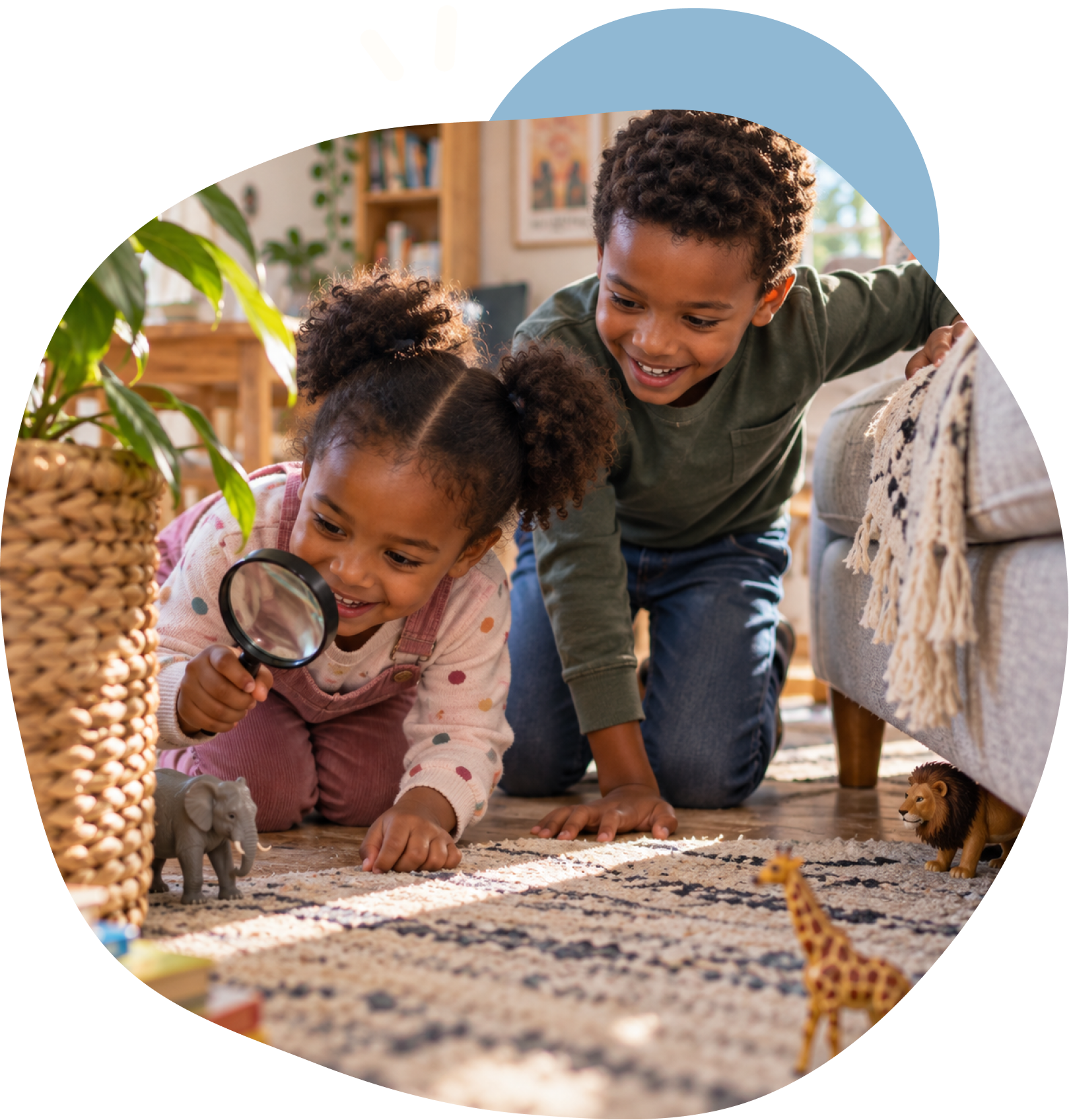
The benefits of creative play
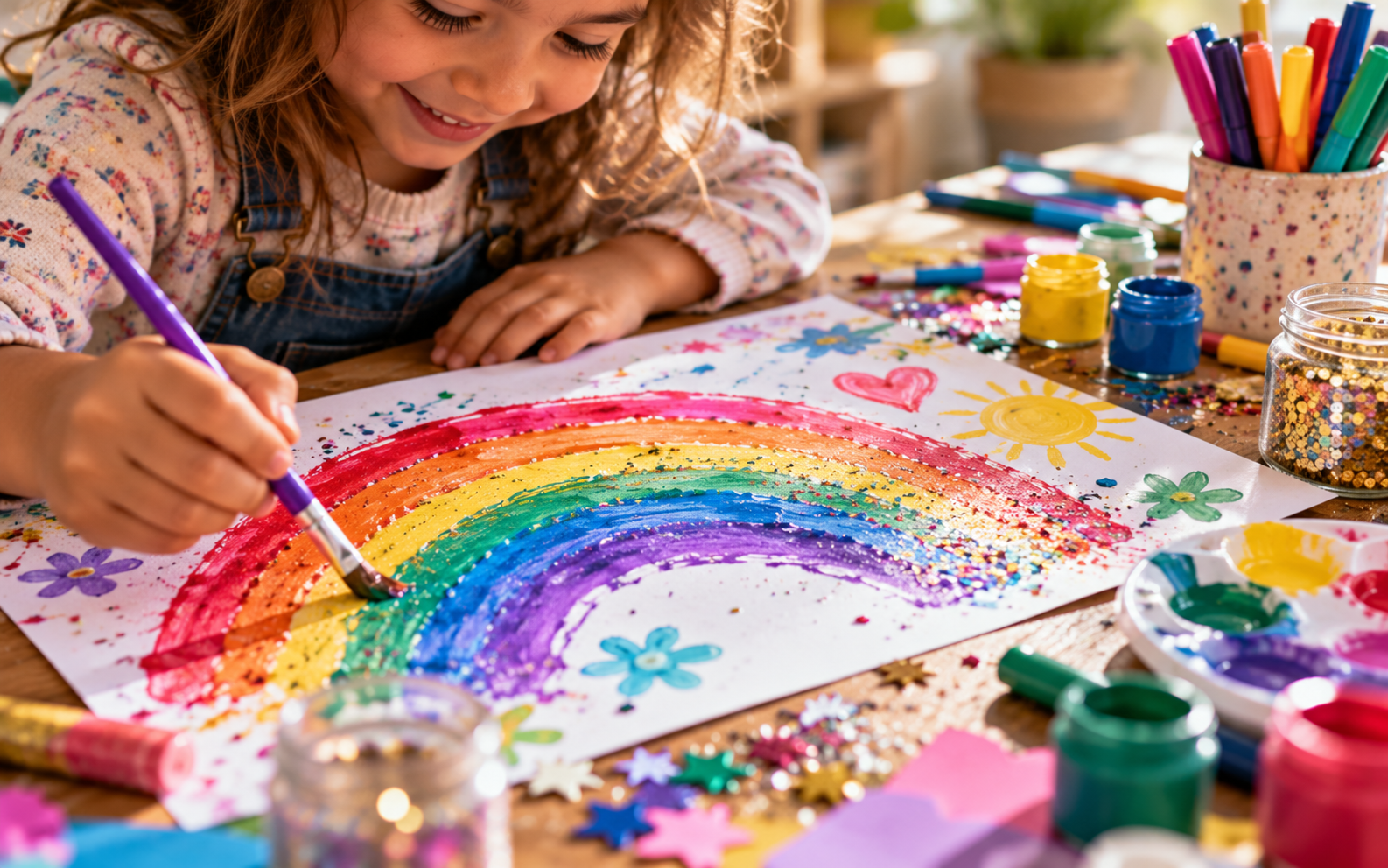
Creative play gives children the chance to use their imagination, experiment with ideas and make something completely their own. From drawing and painting to building, dressing up and inventing stories, there are almost no limits to what children can create. It can be simple, messy and sometimes a little chaotic, but that's part of what makes it so much fun.
Creative play helps children think
When children create, they are constantly making decisions. They might decide what to build, which colours to use, how a story should end or how to solve a problem when something doesn't work.
This gives children opportunities to develop problem-solving, decision-making and other thinking skills without it feeling like learning. They can try something, change their idea and try again.
There doesn't always need to be a right answer either. Creative play gives children the freedom to explore different possibilities and discover what happens.
It supports physical and motor development
Creative play isn't just about thinking. Many creative activities involve using hands, fingers and the whole body in different ways.
Drawing, painting, cutting, sticking, building and playing with playdough all give children opportunities to practise using their hands and fingers. These small movements can help develop coordination and control.
Larger creative activities can involve movement too. Building a den, making an obstacle course, dancing to a made-up song or acting out a story can all turn creative ideas into physical play.
There are no limits to their imagination
One of the best things about creative play is that children don't have to follow someone else's rules.
A cardboard box can become a rocket. A blanket can become a superhero cape. A collection of sticks can become a fairy house. A few cushions can turn into a mountain, a castle or anything else they can imagine.
Children can take an ordinary object and turn it into something completely different. There doesn't need to be a perfect end result. The fun is often in deciding what something could become.
Creative play is fun
Perhaps the biggest benefit is also the simplest: creative play is enjoyable.
Children can get completely absorbed in making something, creating a story or pretending to be someone else. They can laugh, experiment and make things that don't quite work before trying something new.
That freedom to play without worrying about getting things right is an important part of the experience.
You don't need lots of equipment
Creative play doesn't need to involve expensive toys or complicated craft projects. Some of the best ideas can start with things you already have at home.
Paper, cardboard boxes, cushions, blankets, old clothes and things from the recycling can all become part of a game. Even a simple idea like 'build something that can fly' can lead to all sorts of different creations.
The important thing is giving children the opportunity to decide, create and explore their own ideas.
Let them take the lead
Creative play can be even more enjoyable when children have the freedom to take an idea in their own direction.
You might start by suggesting an activity, but you don't always need to show them exactly what to make or how it should look. Leaving some room for them to decide can turn one simple idea into something completely different.
Sometimes the best creative activities are the ones where you don't really know what the finished result will be.