Why reading is so important for children
Reading is about much more than learning to recognise words on a page. From discovering new worlds and meeting interesting characters to asking questions and making sense of their own experiences, books give children countless opportunities to learn and grow. Whether it's sharing a favourite bedtime story, looking through a picture book or listening to someone read aloud, even a few minutes with a book can become a valuable part of a child's day.
Reading helps children develop language
One of the biggest benefits of reading is the opportunity it gives children to discover new words and ways of expressing themselves.
Stories introduce children to words and phrases they might not hear in everyday conversation. They can learn about unfamiliar places, different people and new ideas, all while following a story.
Talking about what you've read can help too. Asking questions such as 'What do you think will happen next?' or 'Why do you think they did that?' encourages children to think about what they're hearing and put their own thoughts into words.
Over time, these experiences can help children build their vocabulary, communication skills and confidence when speaking.
Books encourage imagination and curiosity
A book can take a child anywhere. They might travel to space, explore an enchanted forest or follow the adventures of an animal who can talk.
Unlike watching something on a screen, listening to or reading a story gives children plenty of room to imagine what characters and places might look like. They can picture scenes in their minds, think about what might happen next and come up with their own ideas.
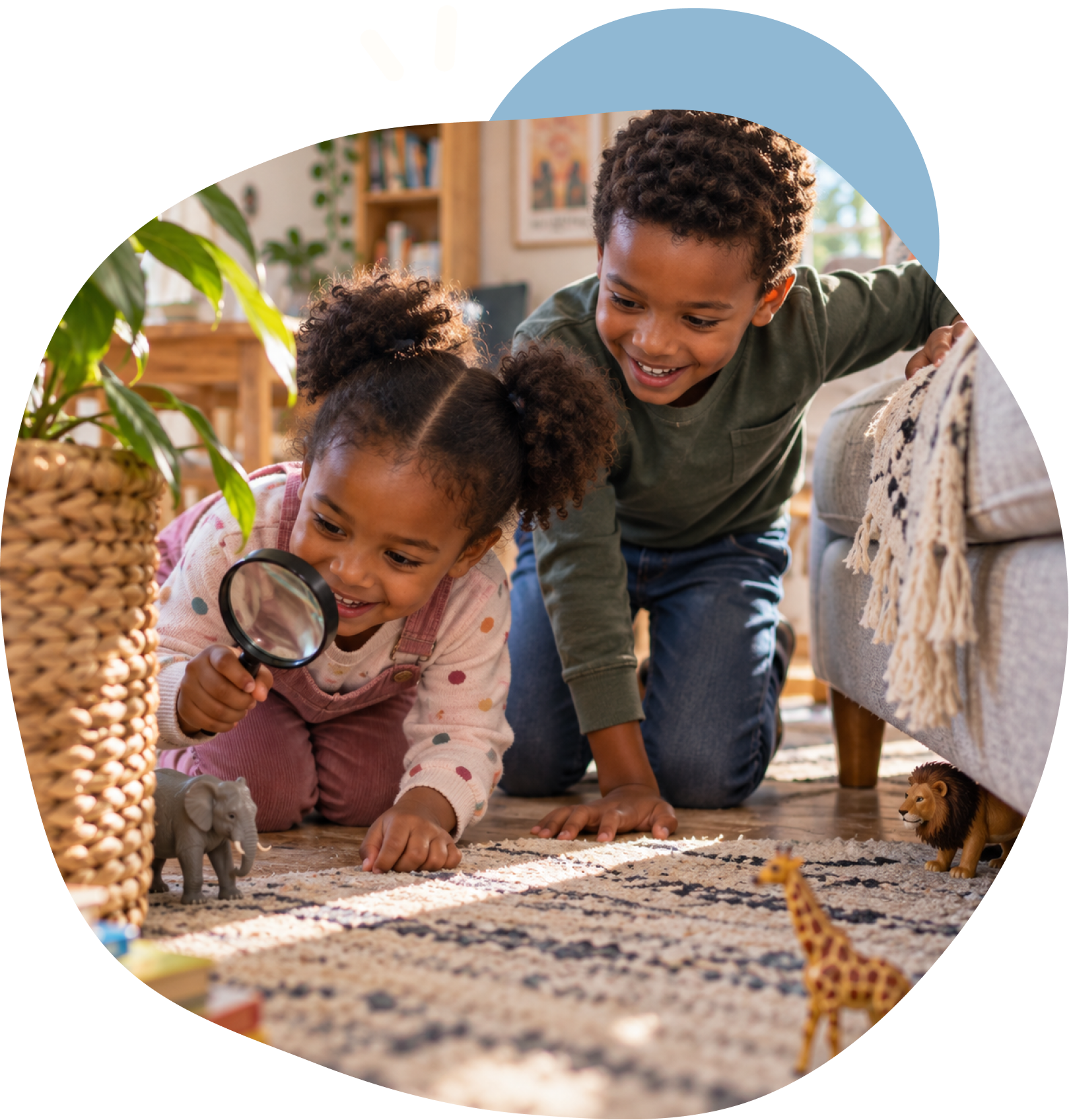
Books can also spark curiosity about the real world. A story about dinosaurs might lead to questions about prehistoric life, while a book about the ocean could inspire an interest in marine animals.
Sometimes, one small detail in a story is enough to get a child asking questions and wanting to discover more.
Reading supports learning and concentration
Following a story involves more than simply listening to the words. Children have to remember characters, follow events and understand how different parts of the story fit together.
These experiences give them opportunities to practise concentration, memory and comprehension.
Books can also introduce children to numbers, shapes, colours, patterns and new concepts. Even a simple picture book can encourage counting, comparing objects or spotting differences.
As children get older and begin reading independently, books can help them develop the skills they'll use across their education, from understanding instructions to learning about unfamiliar subjects.
Stories help children understand feelings
Books can give children a way to explore emotions and experiences that might otherwise be difficult to talk about.
A character might feel nervous about starting school, struggle to make friends or become upset when something doesn't go to plan. Seeing how a character experiences and responds to these situations can help children think about their own feelings.
Reading stories about different people and experiences can also encourage children to consider how someone else might feel. It gives parents a natural opportunity to talk about kindness, friendship, disappointment and other everyday experiences.
You don't need to turn every story into a lesson. Sometimes simply enjoying a story together and talking about the characters is enough.
Reading together creates time to connect
Reading doesn't always need to be about learning. It can simply be a lovely way to spend time together.
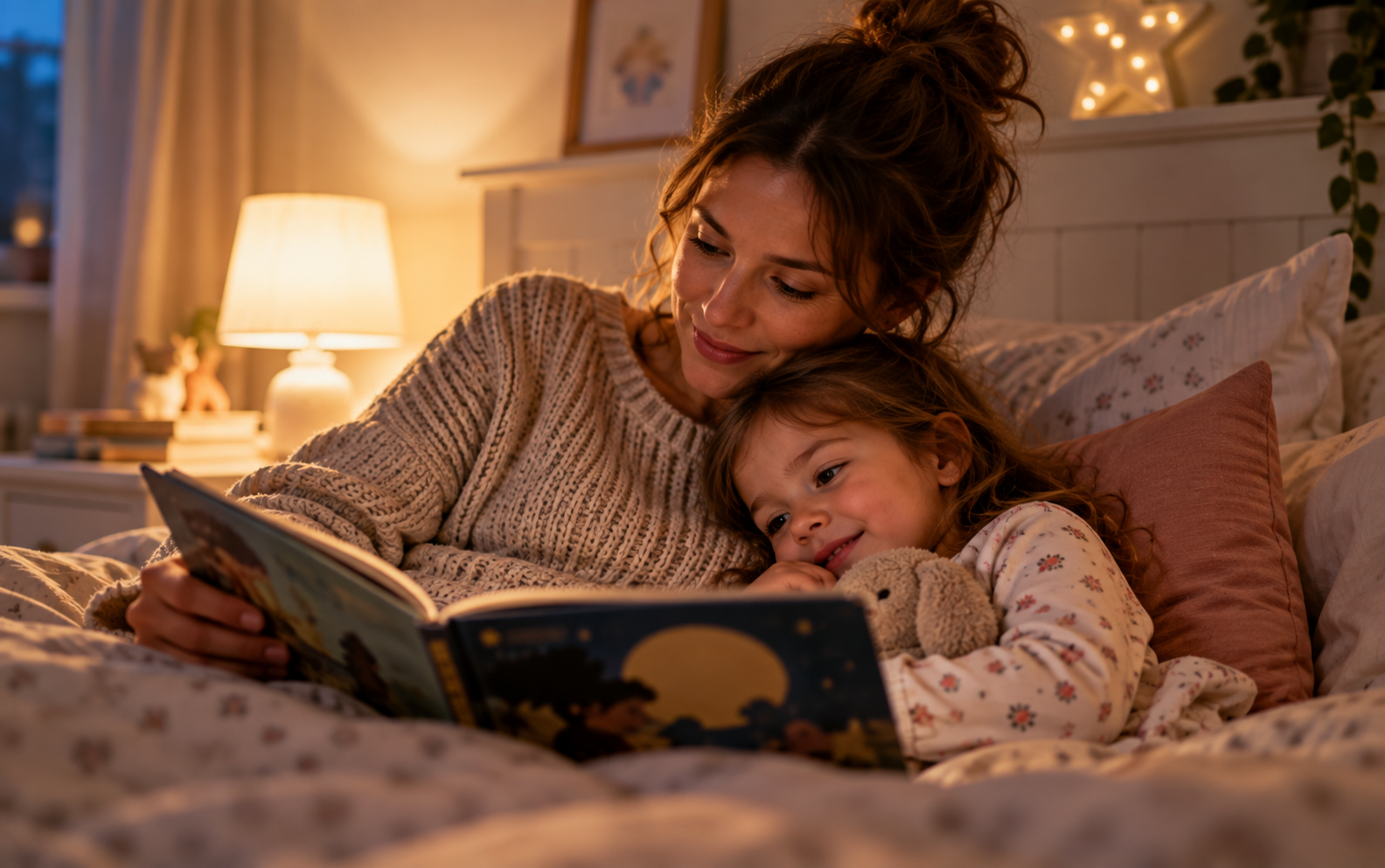
Sitting down with a book gives children an opportunity to enjoy your attention, share something they find funny or ask questions about a story. Familiar books can become part of family routines, especially at bedtime, when a quieter activity can help everyone wind down.
Children might want to hear the same story over and over again. Although you might get a little tired of reading the same pages, that familiarity can be comforting, and repeated readings give children more chances to recognise words and understand the story.
These small moments can help make reading something children associate with enjoyment and connection.
Making reading part of everyday life
You don't need to set aside a large amount of time or have a house full of books to encourage a love of reading.
A short story before bed, a trip to the local library or letting your child choose a book at the weekend can all help make reading a natural part of family life.
It's also worth remembering that children develop at different rates. Some will happily sit through a whole story, while others might prefer to look at the pictures, skip pages or move between books. Letting them explore in their own way can help keep the experience enjoyable.
As children grow, giving them opportunities to choose books about subjects they find interesting can help them see reading as something they want to do, rather than something they have to do.
Making time for stories
Reading can support children's language, imagination, learning and understanding of the world, but it doesn't need to be complicated or feel like another task on the family to-do list.
Sometimes, all it takes is a favourite book, a comfortable spot and a few minutes together.
The most important thing is to give children opportunities to enjoy stories, ask questions and discover where their imagination takes them. You never know where one little book might lead.